WhatsApp OTP API: The Complete Developer Guide (2026)
By OTP Edge Team
Overview
A WhatsApp OTP API is a programmatic interface that allows businesses to send one-time passwords (OTPs) and verification codes directly to users via WhatsApp.
As traditional SMS authentication becomes increasingly vulnerable to interception (SIM swapping) and expensive due to carrier markups, businesses are shifting to WhatsApp. With end-to-end encryption and a 98% open rate, WhatsApp OTPs offer a massive upgrade in both security and user experience.
In this guide, we will cover how WhatsApp OTPs work, the exact steps to integrate them, and why they are outperforming traditional SMS gateways.
Why Choose WhatsApp for OTP Verification?
For developers and founders, the authentication layer is critical. If users don't receive their verification code, they can't log in, resulting in immediate churn.
Here is why WhatsApp is becoming the default choice for modern applications:
1. Superior Security (End-to-End Encryption)
Unlike SMS, which travels over unencrypted cellular networks and can be intercepted by bad actors, WhatsApp messages are end-to-end encrypted. Meta's recent "linked device security" update ensures that OTPs are delivered only to the user's primary mobile device, preventing interception on linked desktops or tablets.
2. Zero-Markup Pricing
Traditional SMS gateways (like Twilio or MessageBird) often add significant margins on top of carrier fees, leading to wildly unpredictable costs, especially for international delivery. With WhatsApp, Meta charges a flat rate for "Authentication" category conversations, and providers like OTP Edge offer zero-markup routing.
3. Faster Delivery and Higher Conversion
WhatsApp messages are delivered via the internet, bypassing congested telecom networks. This results in near-instant delivery. Furthermore, WhatsApp Authentication templates support one-tap autofill buttons, allowing the user's operating system (iOS/Android) to automatically paste the code into your app, reducing friction.
How the WhatsApp OTP API Works
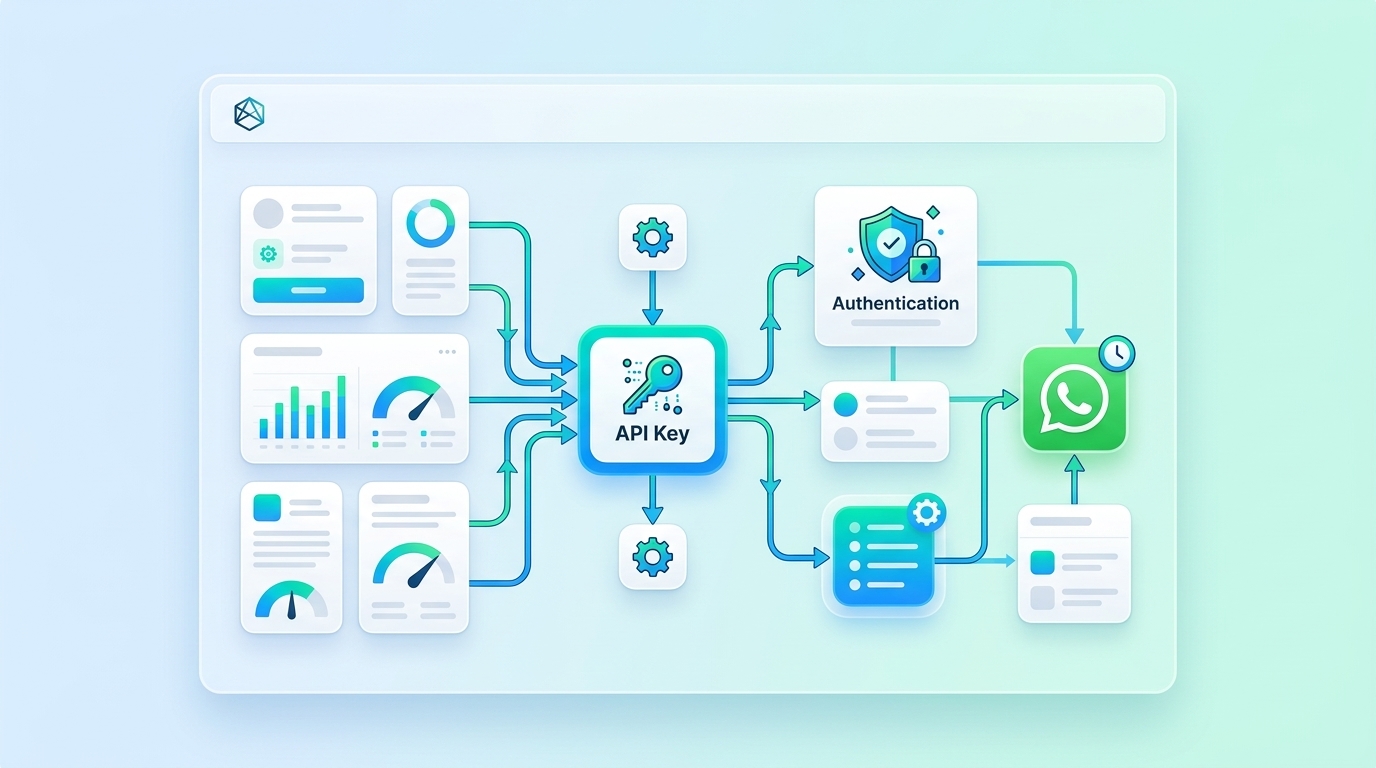
To send an OTP over WhatsApp, you cannot simply send free-form text. You must follow Meta's strict Authentication flow.
- The Authentication Template: You must create and submit an "Authentication" template to Meta for approval. These templates are highly standardized to prevent spam and typically include the OTP code, a security disclaimer, and an optional expiration warning.
- The API Trigger: When a user requests a login on your app, your backend server makes a REST API call to your Business Solution Provider (BSP) like OTP Edge.
- The Delivery: The BSP routes the payload to Meta's infrastructure, which delivers the encrypted message to the user's WhatsApp inbox.
Step-by-Step Integration Guide
Integrating the WhatsApp OTP API into your Node.js or Python backend is incredibly straightforward when using a modern provider.
1. Setup Your WhatsApp Business Account (WABA)
Before writing any code, you need a verified Meta Business Portfolio and a dedicated phone number. A provider like OTP Edge will handle the WABA registration process for you automatically.
2. Approve Your Template
Navigate to your provider's dashboard and submit an Authentication template.
Example template: <#> Your verification code is {{1}}. Do not share this with anyone.
3. Send the OTP (Node.js Example)
Using the OTP Edge REST API, you can trigger the OTP delivery with a single POST request:
const axios = require('axios');

async function sendWhatsAppOTP(phoneNumber, otpCode) {
  try {
    const response = await axios.post('https://api.otpedge.com/v1/send-otp', {
      to: phoneNumber,
      app: 'YOUR_APP_ID',
      environment: 'live', // Use 'test' for sandbox
      template: 'otp_veri',
      variables: [otpCode]
    }, {
      headers: {
        'Authorization': `Bearer YOUR_API_KEY`,
        'Content-Type': 'application/json'
      }
    });

    console.log('OTP Delivered Successfully:', response.data.messageId);
  } catch (error) {
    console.error('Failed to send OTP:', error.response.data);
  }
}
4. Implement SMS Fallback
While WhatsApp has incredible uptime, the user might not have an active internet connection. It is an industry best practice to implement a fallback mechanism. If the WhatsApp API returns a delivery failure or a timeout (e.g., 30 seconds), your backend should automatically trigger an SMS fallback to ensure the user can still log in.
Comparing Providers: Why Not Twilio?
While Twilio is a legacy giant in the SMS space, their WhatsApp API pricing includes significant per-message markups on top of Meta's base fees. For high-volume businesses, this becomes incredibly expensive.
Furthermore, platforms like MessageBird and Gupshup often require complex onboarding and enterprise contracts.
OTP Edge was built specifically to solve this. By offering a developer-first API, zero-markup pricing on Meta's base rates, and instant WABA approval, it is the most efficient way to scale WhatsApp authentication.
Ready to Upgrade Your Authentication?
Stop losing users to delayed SMS codes and carrier filtering.
If you're a developer looking for clean documentation, or a founder looking to cut authentication costs by 40%, sign up for OTP Edge today and get your first 1,000 WhatsApp OTPs free.